EISENHOWER STATE PARK
Eisenhower State Park, with 423.1 acres, is located in Grayson County, northwest of Denison on the shores of Lake Texoma. It was acquired in 1954 by a Department of Army lease, which extends until 2004, and was opened to the public in 1958.
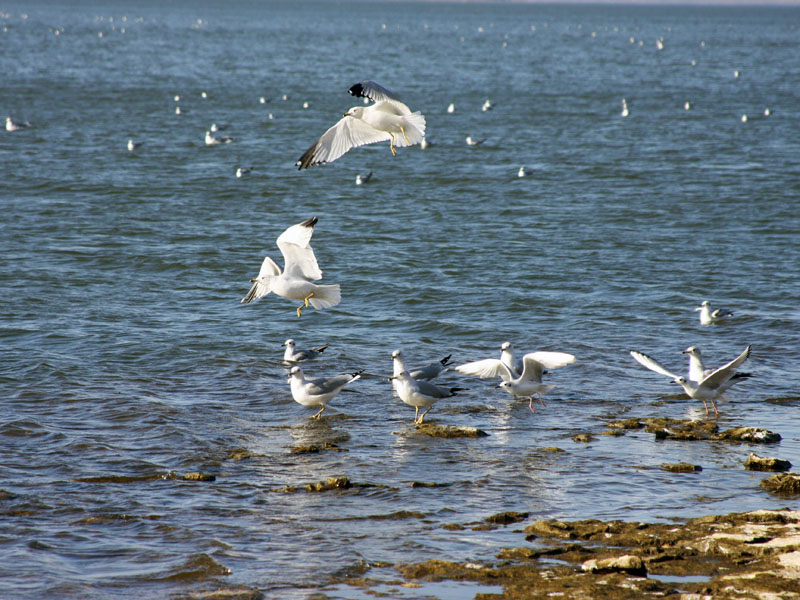
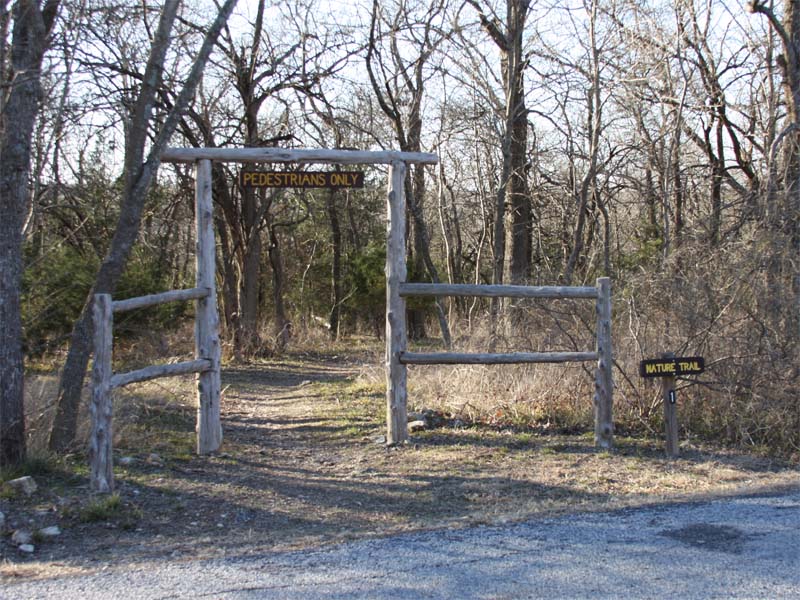
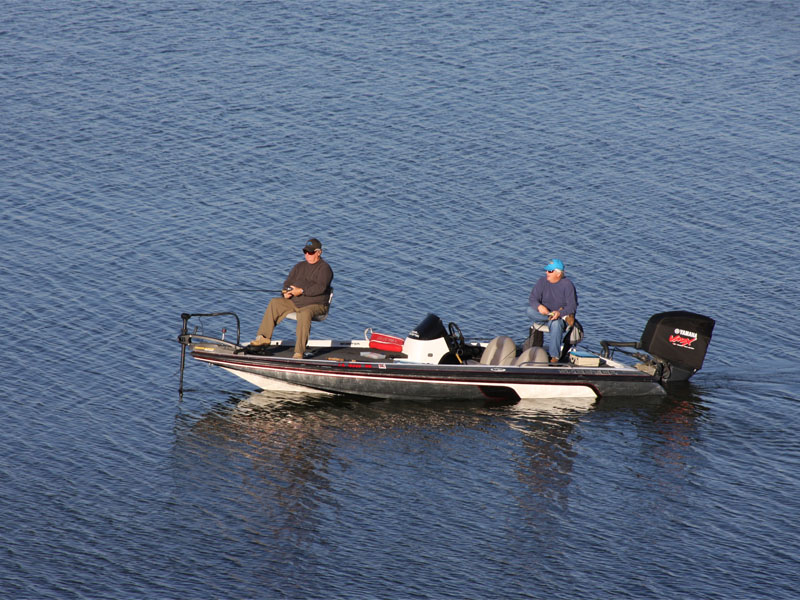
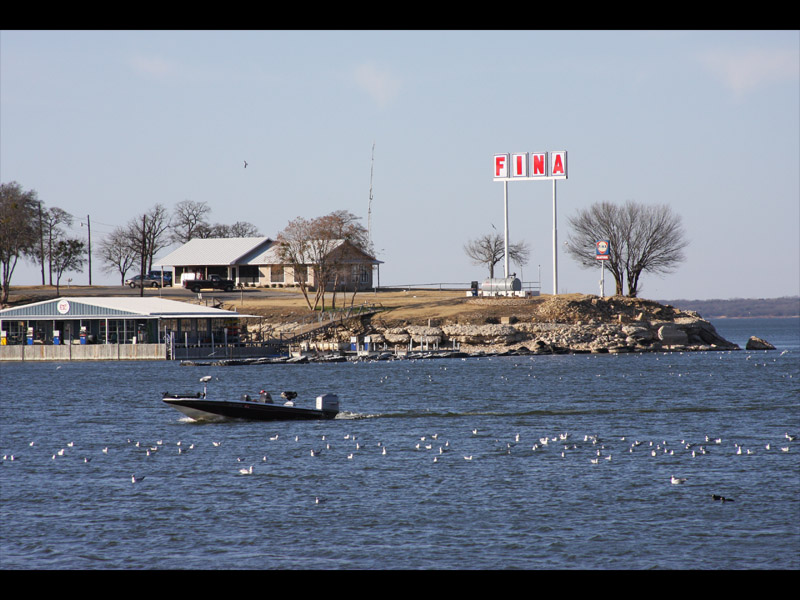
Grassy uplands, including rare remnants of the tall-grass prairie, terminate in rocky, shoreline bluffs and woodlands. A large variety of colorful wildflowers bloom throughout the growing season, March through November. Several wildflowers are identified by signs along the roadside in selected areas. A nature guide is available that identifies some of the trees along the trail. A wide variety of trees includes oak, ash, elm, cedar, dogwood, cottonwood, soapberry, locust, redbud, persimmon, and bois d'arc. A variety of mammals at the park include armadillo, bat, beaver, coyote, deer, fox, mink, nutria, opossum, rabbit, raccoon, skunk, and squirrel. Wintering bald eagles, pelicans, loons, and other waterfowl may be observed in the area. Lake fishing offers a variety of bass, sunfish, and catfish; lake fossils are on display at the park headquarters.
The park was named for the 34th U.S. president, Dwight David Eisenhower, as he was born nearby. In the early 1830s, the area became increasingly important to Anglo settlers, particularly as a route to Texas and the American southwest. Some of the things which add to the history of the area are the American Indian; Butterfield Overland stage routes; Chisholm and Shawnee cattle drive trails; Fort Johnson, established in the area in 1840; and Colbert's Crossing, established on the Red River in 1853 and operated until 1931.






 Eisenhower does not allow forearms even if liscensed. Claim to follow federal rules.
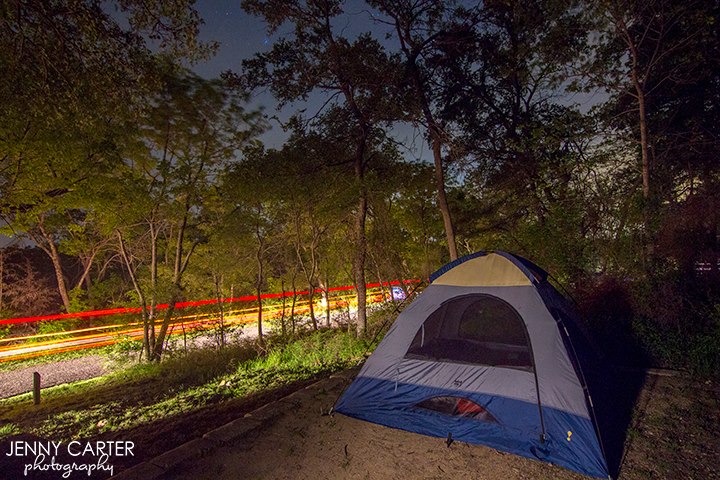
 We went tent camping there on 07/23/2011 for our 5th year anniversary and brought our 2yr old grandson. It is absoulutley beautiful. We really had a wonderful time, and plan on going there alot more.



 Share Your Eisenhower State Park Photos (click here)