ROCKY MOUNTAIN NATIONAL PARK
ROCKY MOUNTAIN NATIONAL PARKRocky Mountain National Park
Estes Park, Colorado 80517-8397
Email:

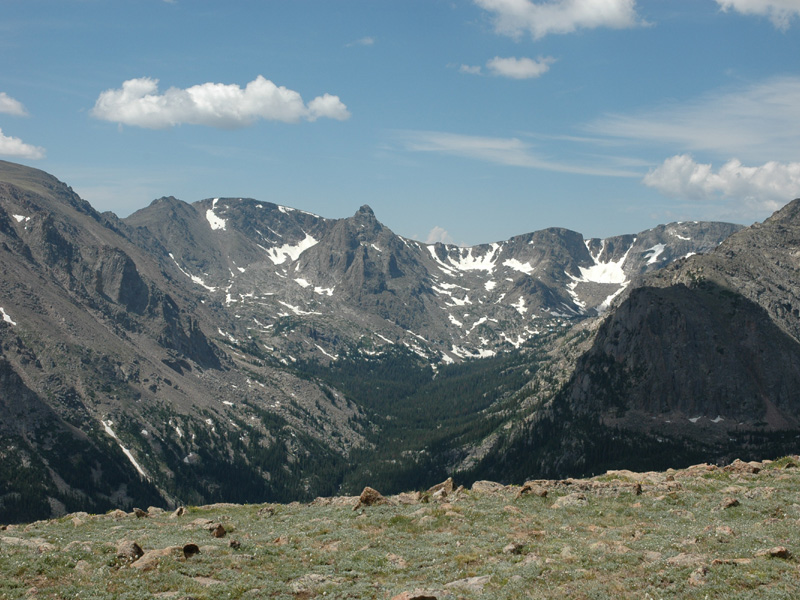
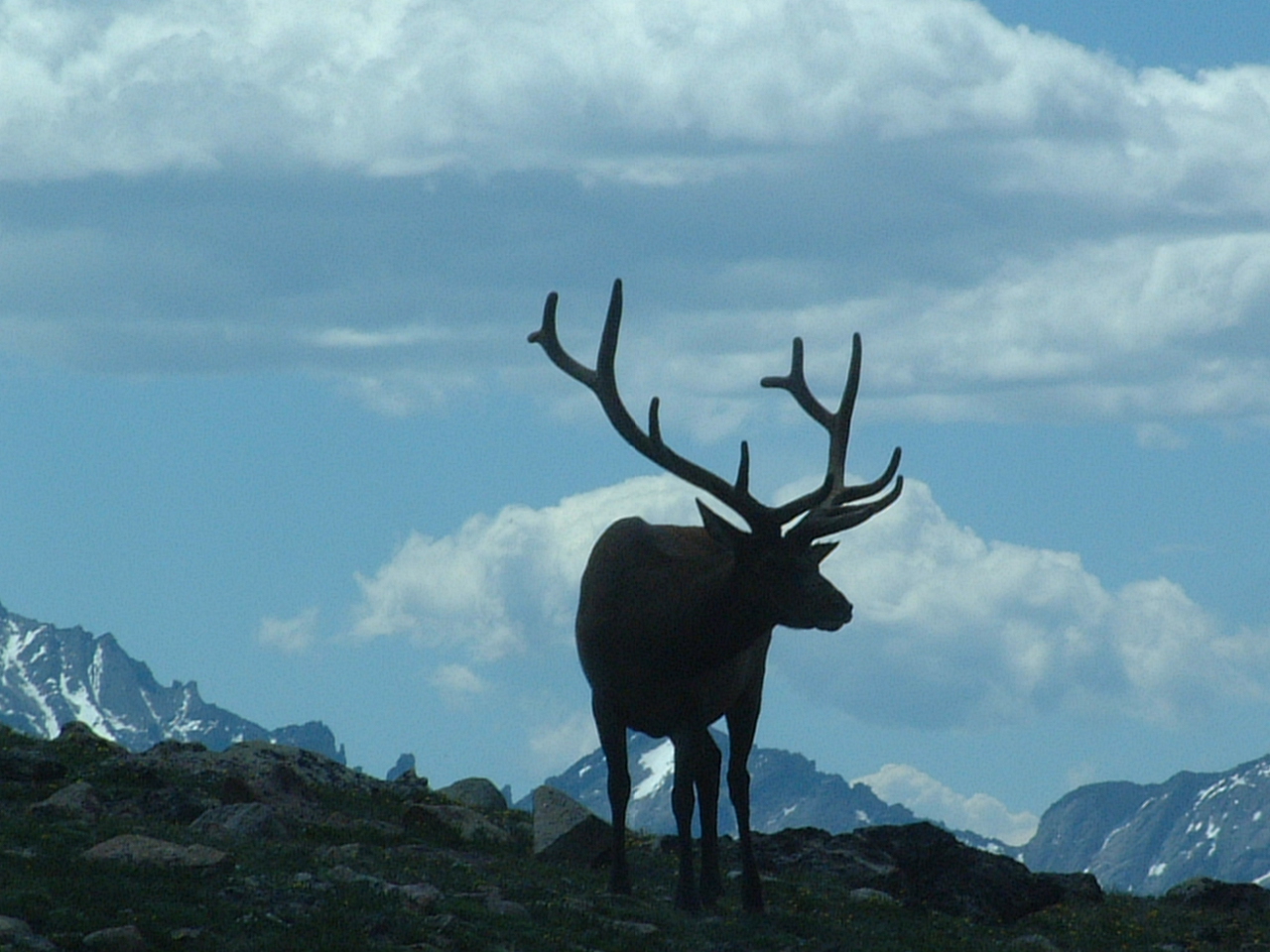
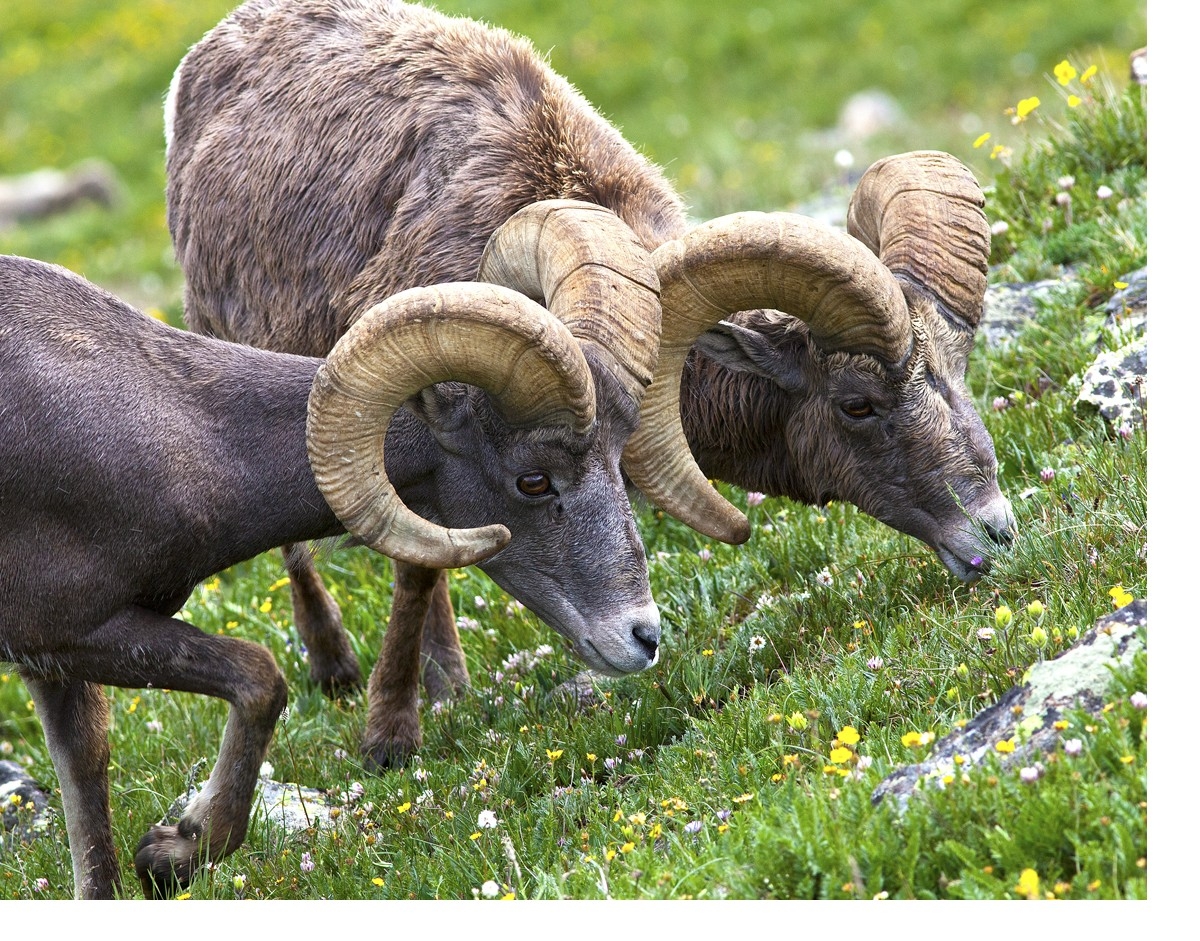
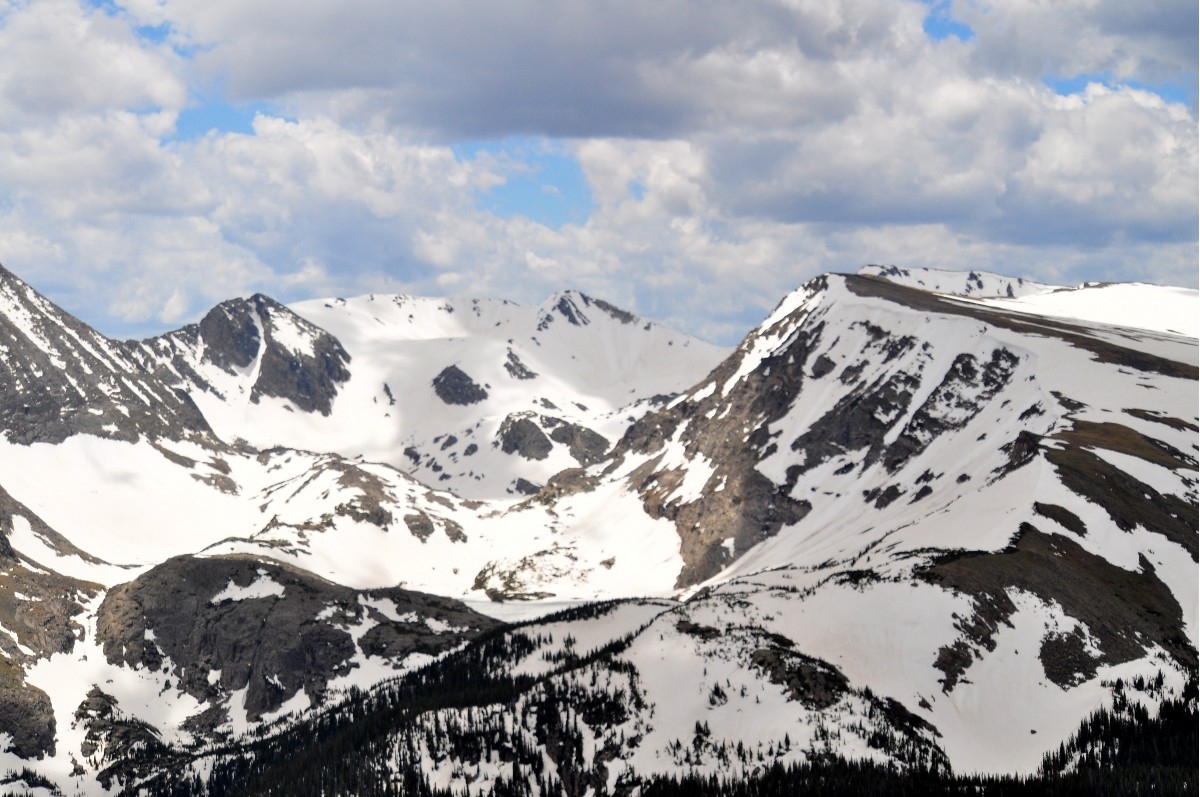
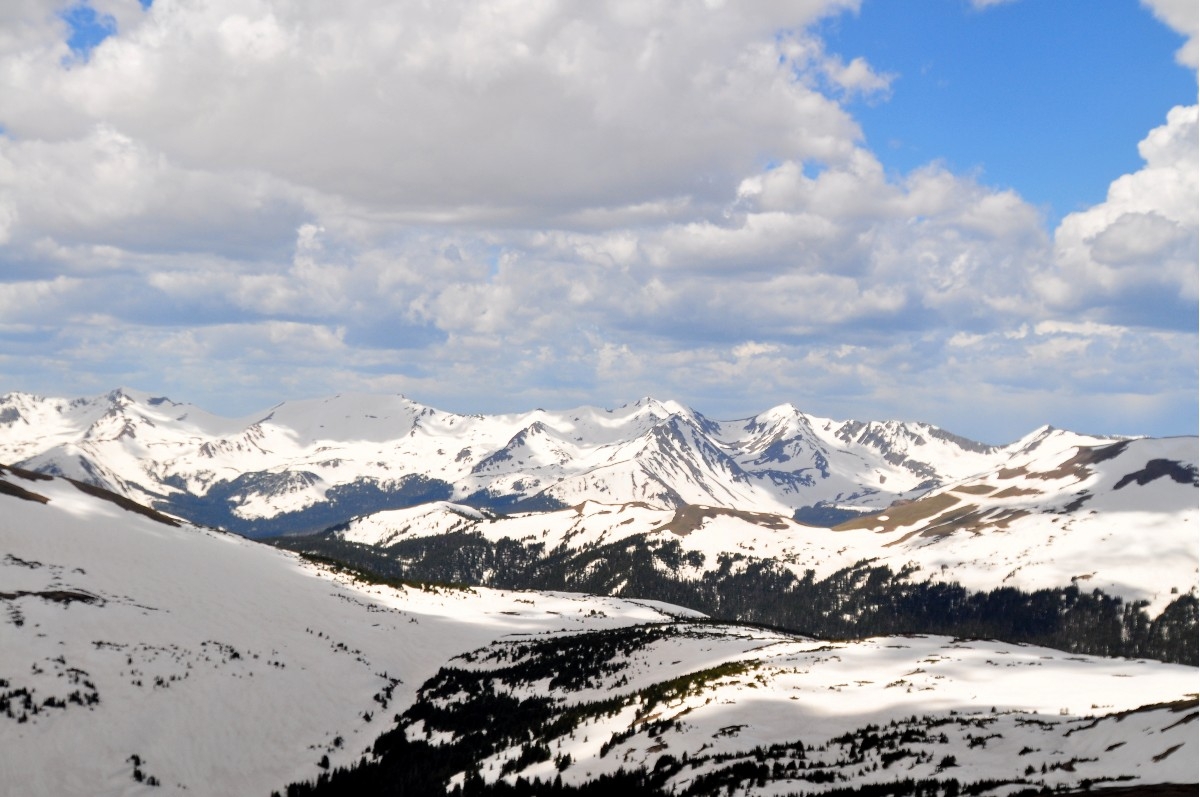
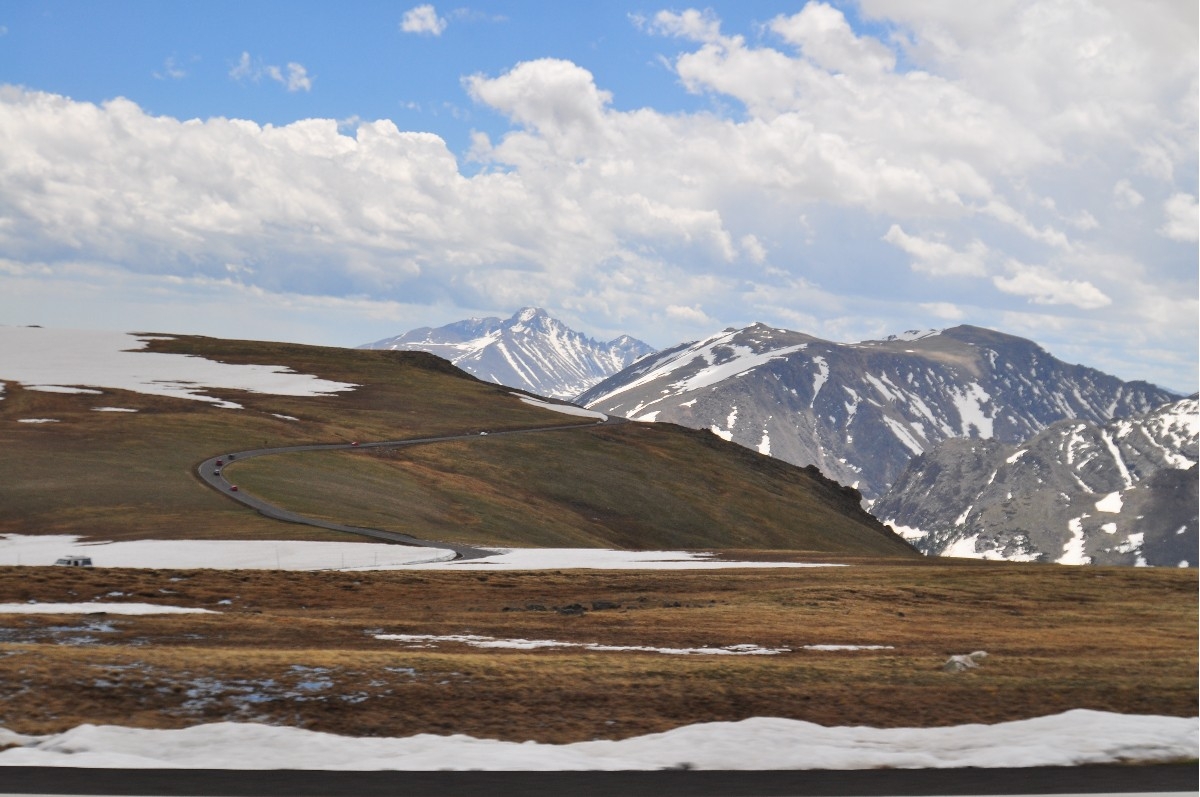
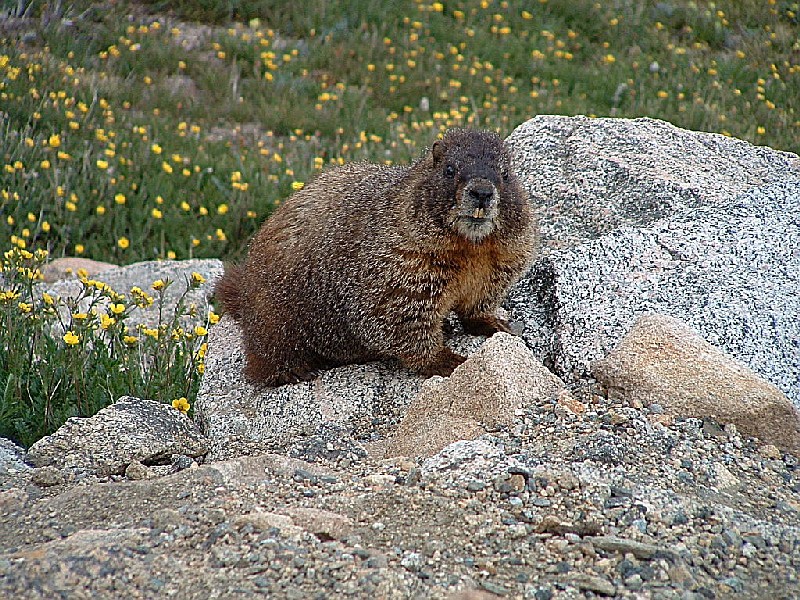
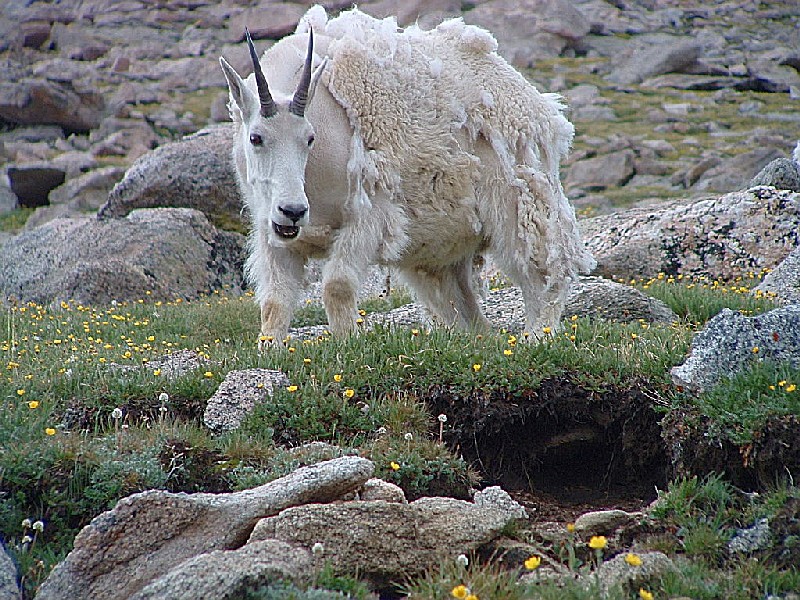
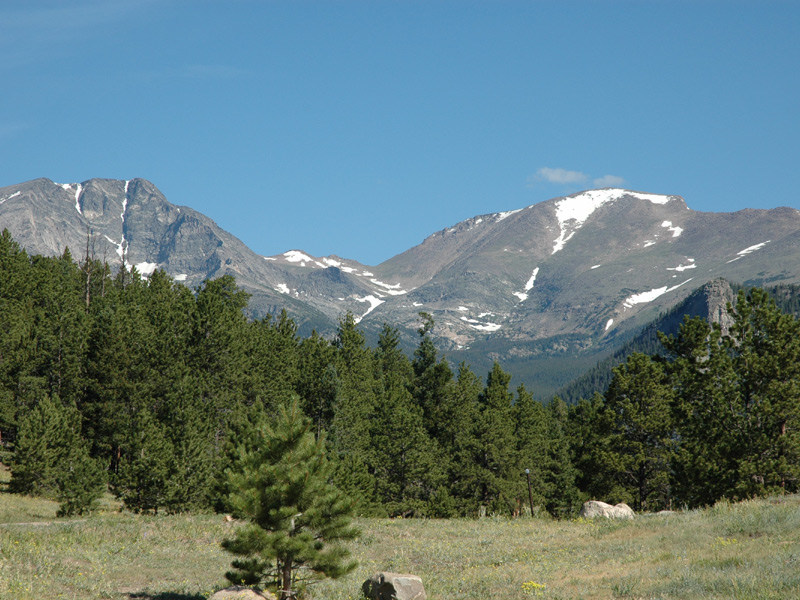
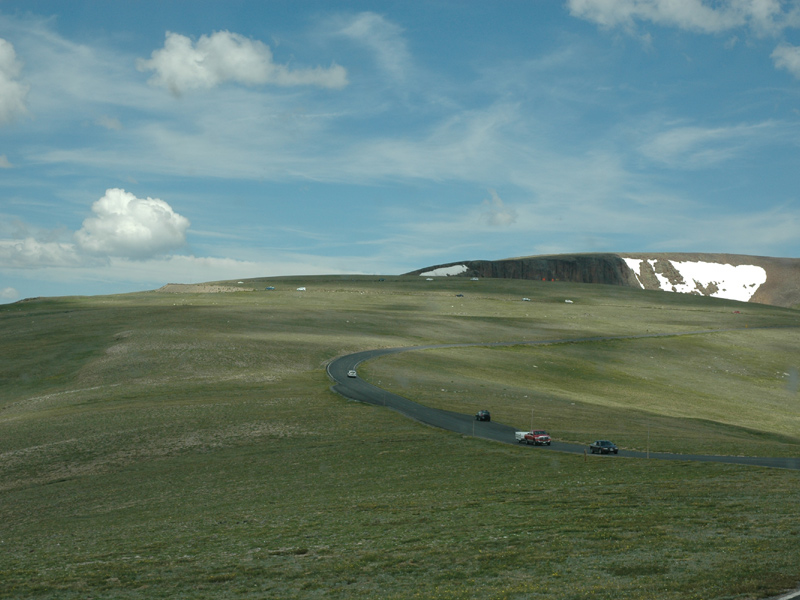
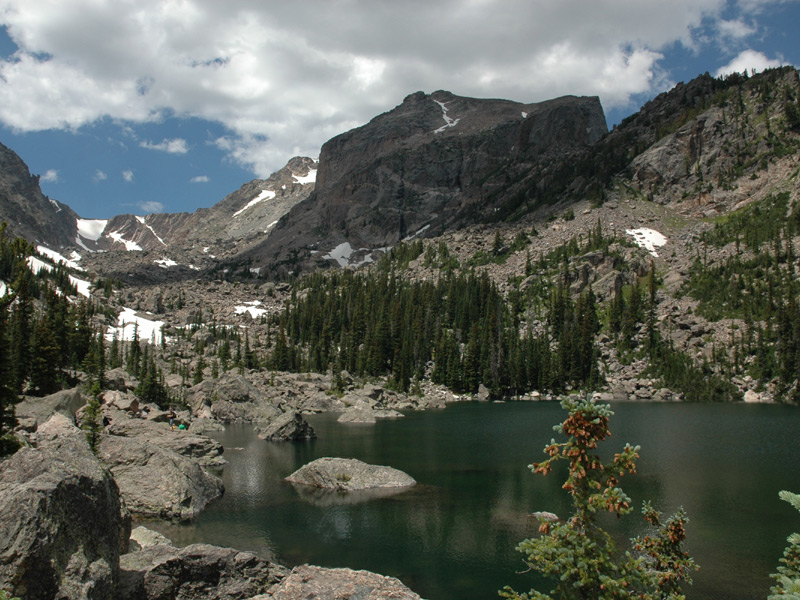
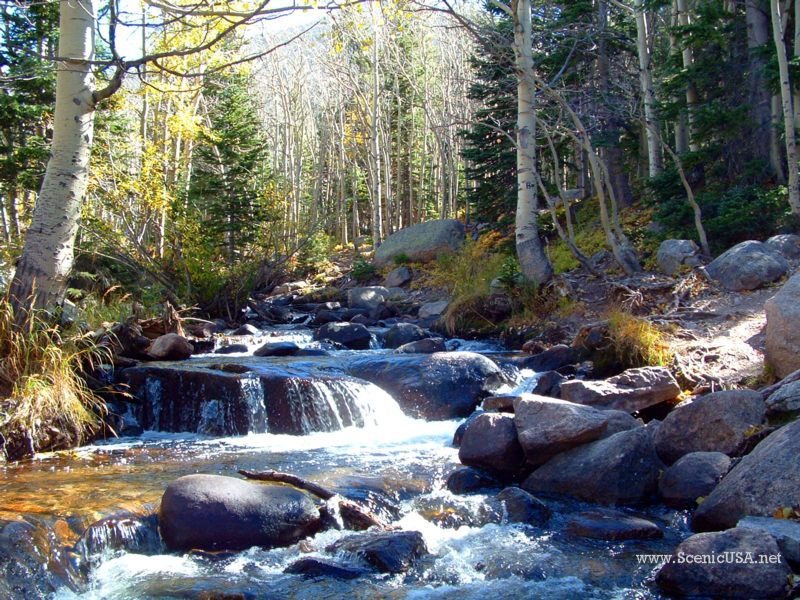
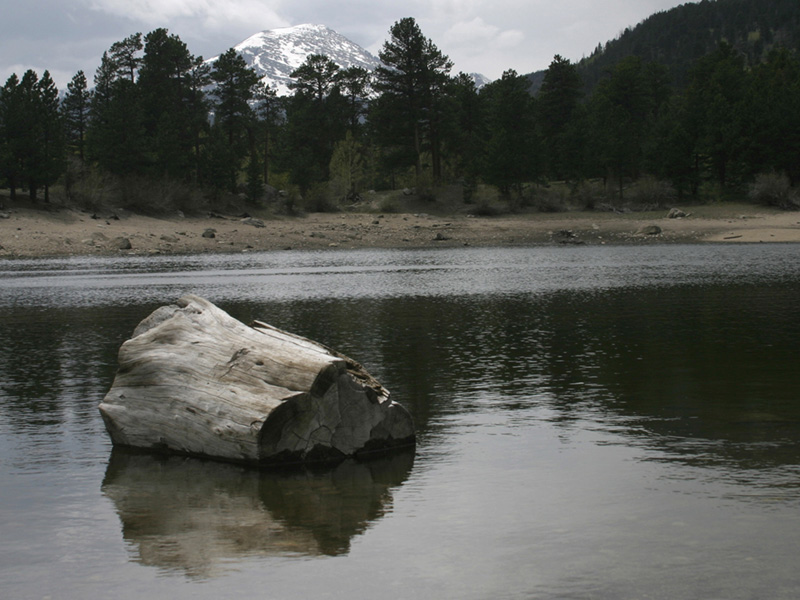
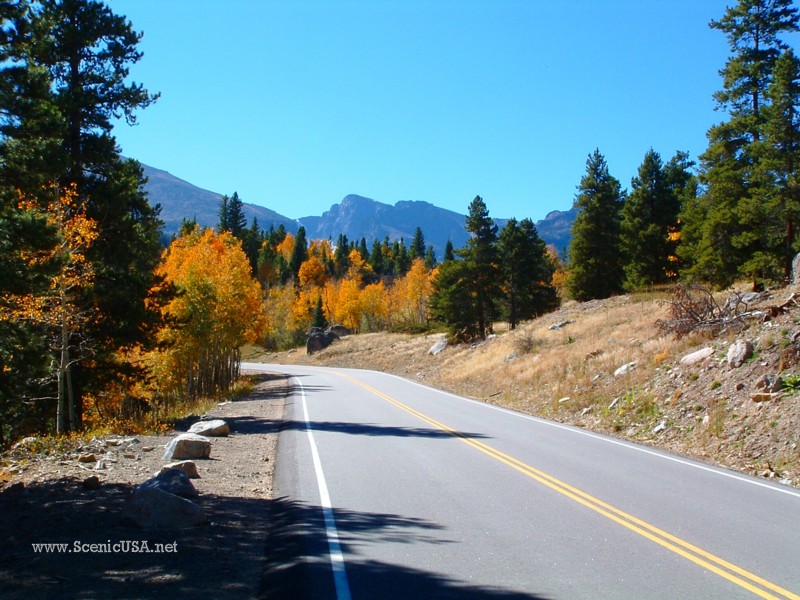
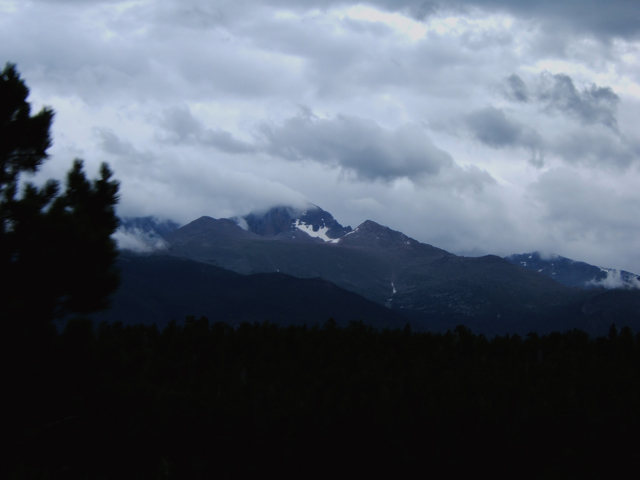
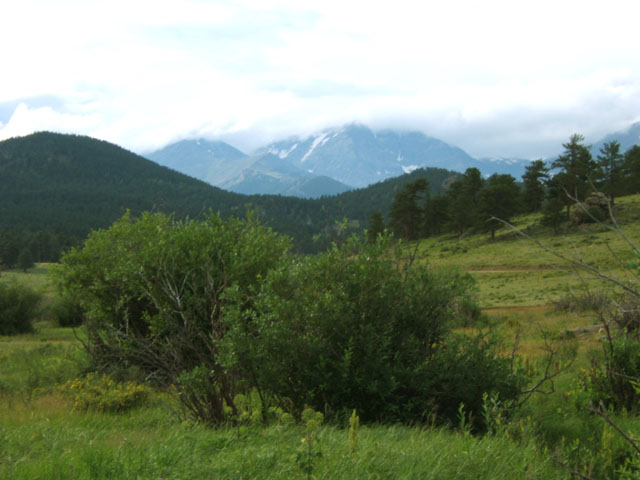
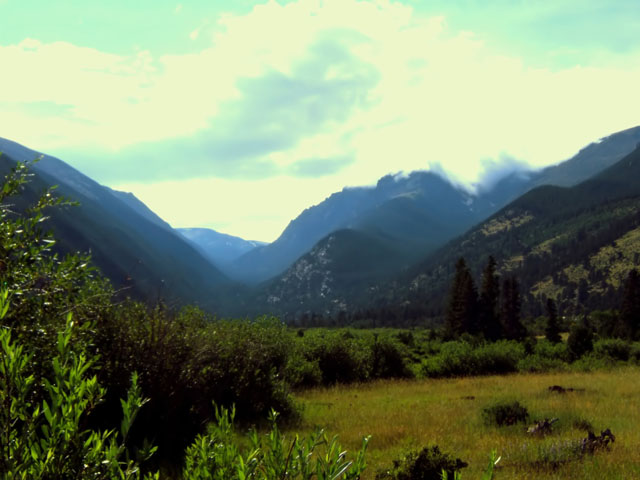
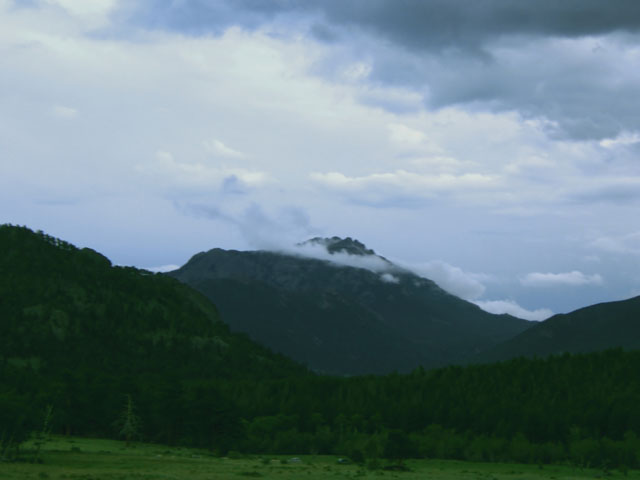
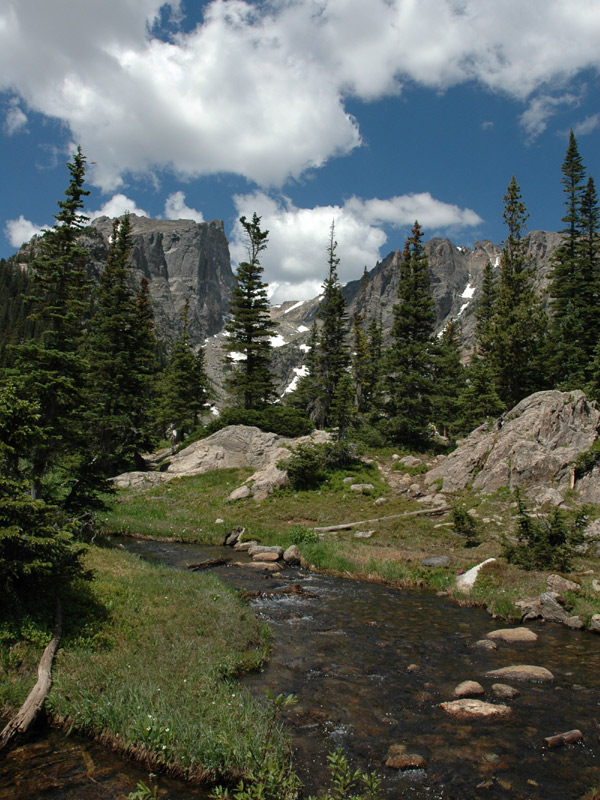
Established by Congress on January 26, 1915, the park exhibits the massive grandeur of the Rocky Mountains. Trail Ridge Road crosses the Continental Divide and looks out over dozens of peaks that tower more than 13,000 feet high. Longs Peak, the highest peak in the park, is 14,259' in elevation. The high point on Trail Ridge Road is 12,183'. The road is closed from late fall, to the Memorial Day weekend. Because of the high elevation of the park (8,000' to over 14,000') visitors need to take time to acclimatize. People with various medical problems should check with their physician before coming to the park. Elk, mule deer, big horn sheep, moose, coyotes and a great variety of smaller animals call the 416 square miles (265,769 acres)of the National Park home. During the winter months snowshoeing and cross country skiing are very popular. Hiking is available on over 359 miles of trails. Many trails can be hiked any time of the year. June and July are the best months for seeing wild flowers. Weather conditions determine when and where flowers bloom; call 970-586-1206 for up to date information. In the fall, viewing the elk rut (mating season) is a wonderful opportunity to see and learn about these magnificent large animals. Almost 90% of the park is managed as wilderness.
 Aspenglen Campground
Aspenglen Campground is located near the Fall River Entrance in Colorado's awe-inspiring Rocky Mountain National Park. From lush valleys to craggy peaks stretching over 14,000 feet, visitors are provided opportunities for countless breathtaking experiences and adventures. Scenic driving, hiking, backpacking, fishing, horseback riding and wildlife
....moreGlacier Basin Campground Glacier Basin Campground 8,500 feet is adjacent to Estes Park in the awe-inspiring Rocky Mountain National Park in Colorado. From lush valleys to craggy peaks with elevations reaching over 14,000 feet, visitors are provided opportunities for countless breathtaking experiences and adventures. Scenic driving, hiking, backpacking, fishing, horseback
....more Moraine Park Campground Moraine Park Campground 8,160 feet is located in Colorado's awe-inspiring Rocky Mountain National Park, near the Beaver Meadows Entrance on Highway 36. It is situated on the north side of Moraine Park, offering beautiful views of the vast park and the surrounding mountains. From lush valleys to craggy peaks reaching elevations over 14,000 feet, visitors
....more Timber Creek Campground Timber Creek Campground is the only campground on the west side of the park. Located at 8900 feet 3000 m along the Colorado River about eight miles north of the Grand Lake entrance to Rocky Mountain National Park. A mountain pine beetle infestation caused most of the trees to be removed, so there is no shade at campsites. There is also a limit on vehicle
....more Cultural resources in Rocky Mountain National Park include historic structures (such as roads and bridges), cultural landscapes, prehistoric and historic archaeological sites, museum artifacts, and historic buildings and trails. The park also works with Native American groups to understand and protect those resources in the park that are important to native cultures.
When Congress passed the Rocky Mountain National Park Act in 1915, the legislators focused on Rocky's scenic and natural wonders. Still, what became the park held many cultural treasures including ancient trails, game drives, cattle ranches, and lodges. Early Superintendents tried to develop roads, backcountry cabins, and trails to blend with the surroundings. Rangers manipulated the landscape to look more "natural;" they suppressed fires, planted seedlings, and controlled predators. The National Park Service purchased private lands and removed buildings, roads, post offices, driveways, irrigation ditches, and fences.
After World War II, with park visitation increasing across the country, the National Park Service implemented Mission 66, a nationwide development and improvement program. Rocky, like many parks, suffered from outdated facilities. Mission 66 brought new comfort stations, overlooks, employee housing, campgrounds, and visitor centers to Rocky Mountain National Park.
During the 1960's, as cultural revolutions swept the nation, Congress passed significant environmental laws to protect the American landscape. Many of these effected the management of both natural and cultural resources in the National Parks. Every year, more cultural resources are identified and protected in Rocky Mountain National Park. Today a team of cultural and natural resource specialists work together to protect the park's resources.
Every visitor to the park encounters cultural resources: Trail Ridge Road, Beaver Meadows Visitor Center, Holzwarth Trout Lodge, and the Ute Trail are just a few. You are the steward of this national park, its past and its future.
Day-UseFishingyes
Hiking Trailyes
Picnickingyes
There are five drive-in campgrounds and one drive-in group camping area in the park. Two campgrounds, Moraine Park and Glacier Basin, take reservations, as does the group-camping area. Other park campgrounds are first-come, first-served, and fill on most summer days. None of the campgrounds have electric, water, or sewer hookups at the camping sites.
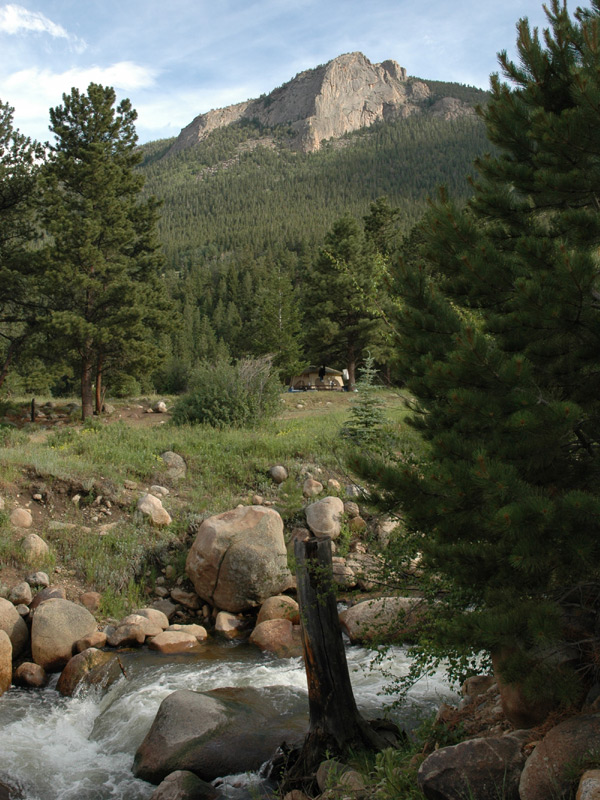
Aspenglen Campground - Open from mid-May to late September. No reservations taken. Camping fee $20 a night. To see campground photos, click here.
Glacier Basin Campground - Open from late May to mid-Sepember. Reservations recommended. Camping fee $20 a night. To see campground map, click here.
Glacier Basin Group Sites - Open from late May to mid-Sepember. Reservations recommended. Camping fee $3 per person. Tents only. Small sites fit 10 - 15 people, medium sites 16-25 people, large sites 26- 40 people. Reservations are recommended.
Longs Peak Campground - Open year round. No reservations taken. Seven night limit during the summer; fourteen night limit during winter. Tents only. Camping fee $20 a night from late-May to mid-September; $14 a night when water is off.
Moraine Park Campground - Open year round. Reservations recommended from late May to September 30. Camping fee $20 a night during this reservation period. Water is on until mid-October. Fees after water is turned off is $14 a night. To see campground photos, click here.
Timber Creek Campground - Open year round. No reservations taken. Camping fee $20 a night from mid- June to mid-September. No water after mid-September. $14 fee when water is off.
Reservations for summer camping in Moraine Park (map) and Glacier Basin (map) can be made in advanc. For further information, call 800.365.2267 On-line reservations are also available. The water is turned off in the winter at all year-round campgrounds. Drinking water is available at entrance stations and open visitor centers.
Stay limits of seven nights are in place from June 1 through September 30. The limits extend to an additional 14 nights at the year-round campgrounds the rest of the year.
At all campgrounds two tents OR one vehicle and one camping unit (i.e., tent, RV, or trailer/tow vehicle) per site.
During July and most of August, expect the campgrounds to fill every day by early afternoon. In June and September, park campgrounds tend to fill on the weekends.
Checkout time in all campgrounds is 12:00 Noon. A separate park entrance fee applies.
BACKCOUNRY CAMPING:
The online Backcountry Camping Guide contains information on how to plan a trip, obtain a backcountry permit, use the trails, set up camp, hike in a crosscountry area, and care for the backcountry. It also details the range of opportunities for camping in the wilderness of Rocky Mountain National Park: designated sites (individual and group), stock sites, crosscountry areas, bivouac areas (for technical climbers only) and winter areas.
It is your responsibility to know and follow all backcountry rules and regulations. Please read the Guide through in its entirety and browse other sections of the Backcountry Camping section that fit your needs (guide can be found at http://www.nps.gov/romo/visit/park/camp/guide.html).
FISHING:
Sport fishing is permitted in Rocky Mountain National Park, a protected area. Fishing activities are balanced with efforts to restore and perpetuate natural aquatic environments and life.
Fishing was popular with early settlers and visitors in the Rocky Mountains. In an attempt to improve the sport, many streams and lakes were stocked with non-native species of trout. Waters with no sport fish were also stocked. The National Park Service stocked non-native Yellowstone cutthroat trout as late as 1969. The only trout native to the park are the greenback cutthroat and the Colorado River cutthroat.
These efforts to enhance recreational opportunities in National Park areas were reconsidered in the 1970's. Since 1975, native greenback cutthroat and Colorado River cutthroat trout are being restored to park waters and exotic or non-native fish are being removed.
Licenses & Fees:
A valid Colorado fishing license is required for all persons 16 years of age or older to fish in Rocky Mountain National Park. No other permit is necessary; however, special regulations exist. It is your responsibility to know and obey them.
Method of Capture:
Each person shall use only one hand-held rod or line. Only artificial lures or flies with one (single, double, or treble) hook with a common shank may be used. "Artificial flies or lures" means devices made entirely of, or a combination of materials such as wood, plastic, glass, hair, metal, feathers, or fiber, designed to attract fish. This does not include: (a) any hand moldable material designed to attract fish by the sense of taste or smell; (b) those devices less than one and one-half inch in length to which scents or smell attractants have been externally applied; (c) molded plastic devices less than one and one-half inch in length; (d) foods; (e) traditional organic baits such as worms, grubs, crickets, leeches, minnows, and fish eggs; and (f) manufactured baits such as imitation fish eggs, dough baits, or stink baits.
When in possession of any fishing equipment, the possession of bait for fishing, including worms, insects, fish eggs, minnows, or other organic matter is prohibited with the following exception: children 12 years of age or under may use worms or preserved fish eggs in open park waters. No bait is allowed in catch-and-release waters.





 Share Your Rocky Mountain National Park Photos (click here)