MCNARY NATIONAL WILDLIFE REFUGE
MCNARY NATIONAL WILDLIFE REFUGE
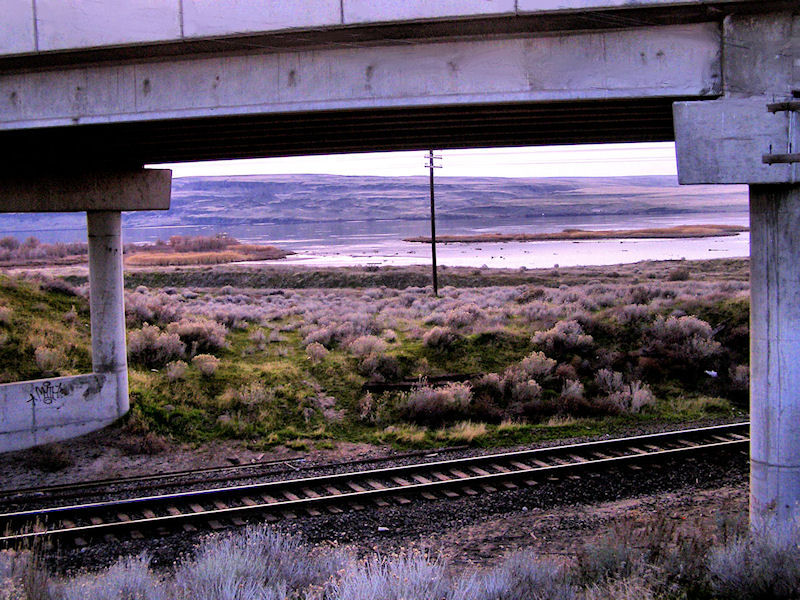
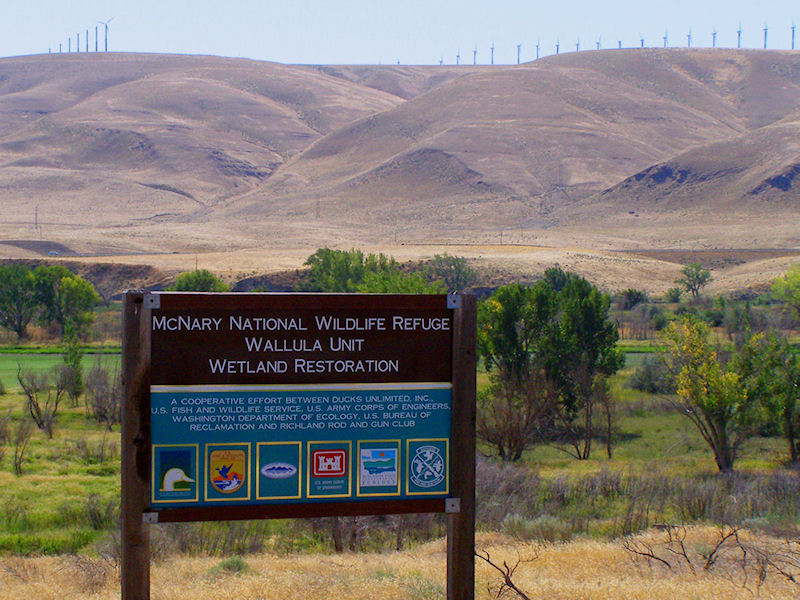
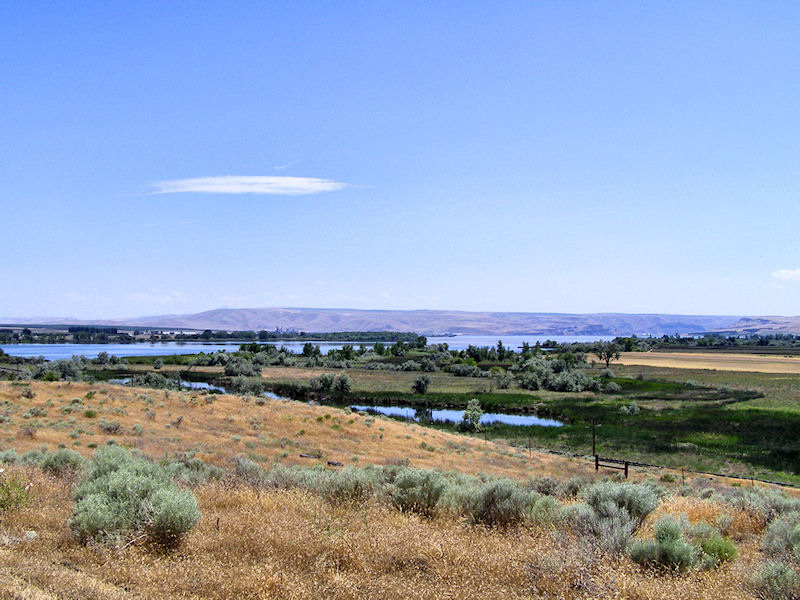
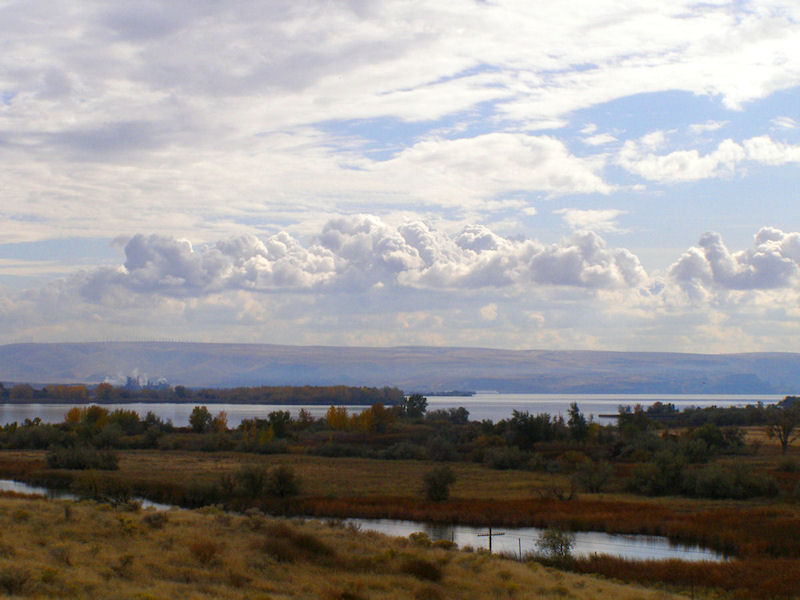
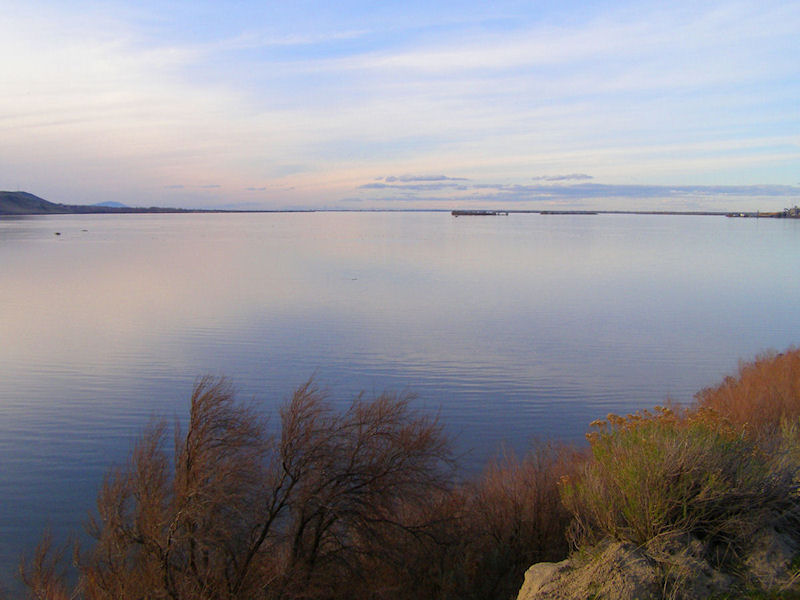
Extending along the east bank of the Columbia River from the confluence of the Snake River to the mouth of the Walla Walla River and downstream into Oregon, the McNary National Wildlife Refuge preserves a priceless diversity of fish, wildlife, and plants.
McNary Refuge serves as an anchor for biodiversity and ecosystem-level conservation. Refuge bays and shorelines are critical nurseries for developing fall Chinook salmon; and passageways for endangered steelhead, sockeye, and Chinook salmon stocks.
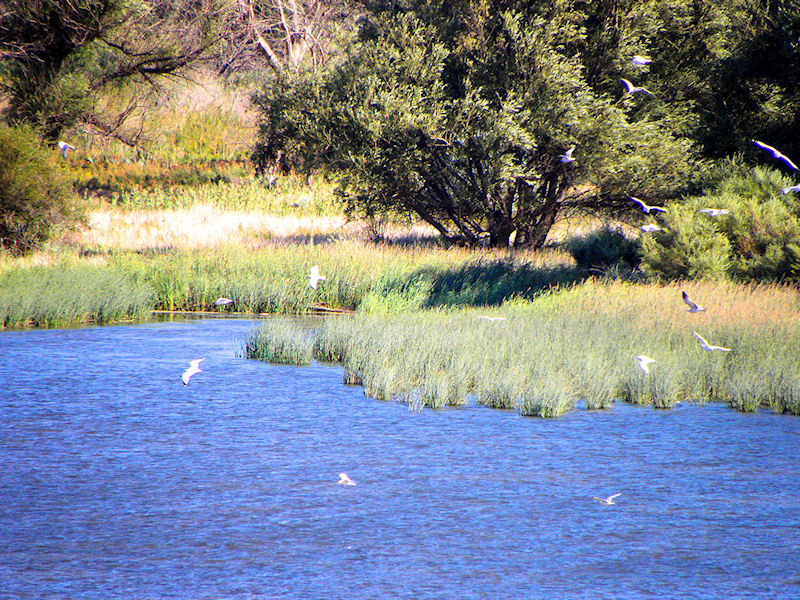
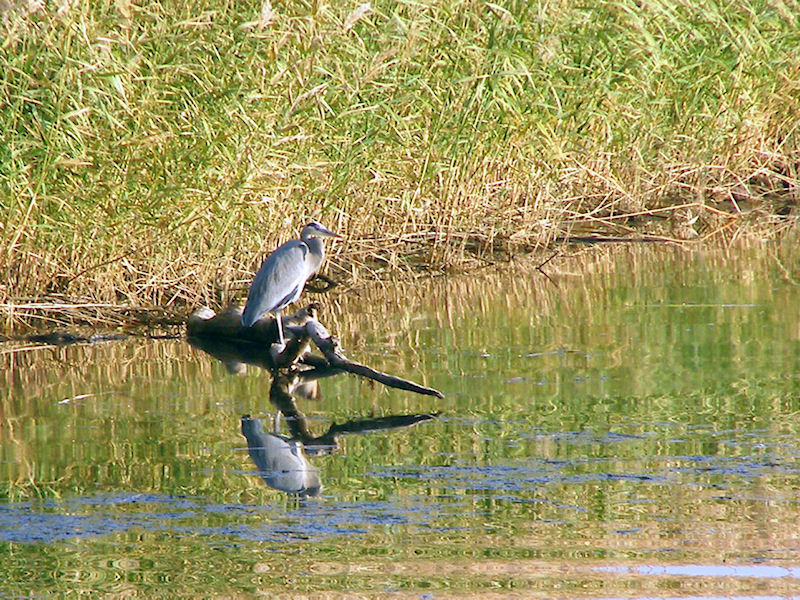
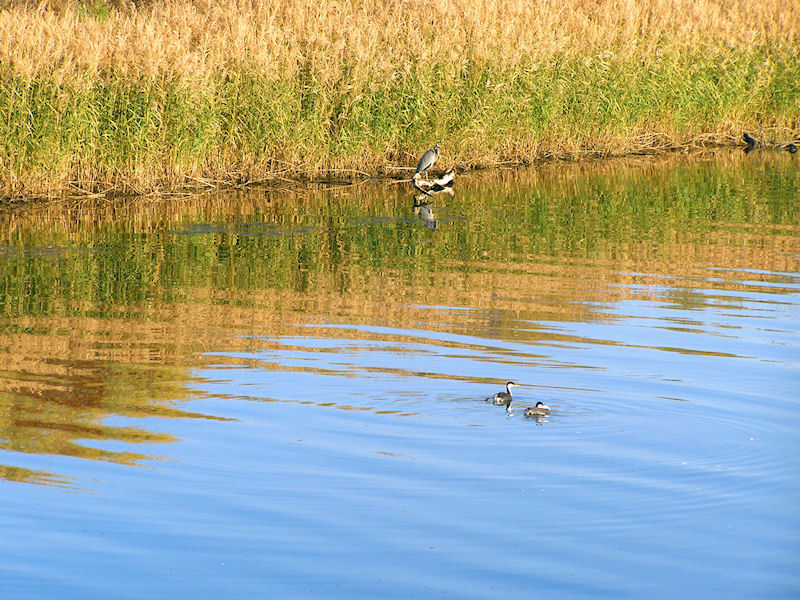
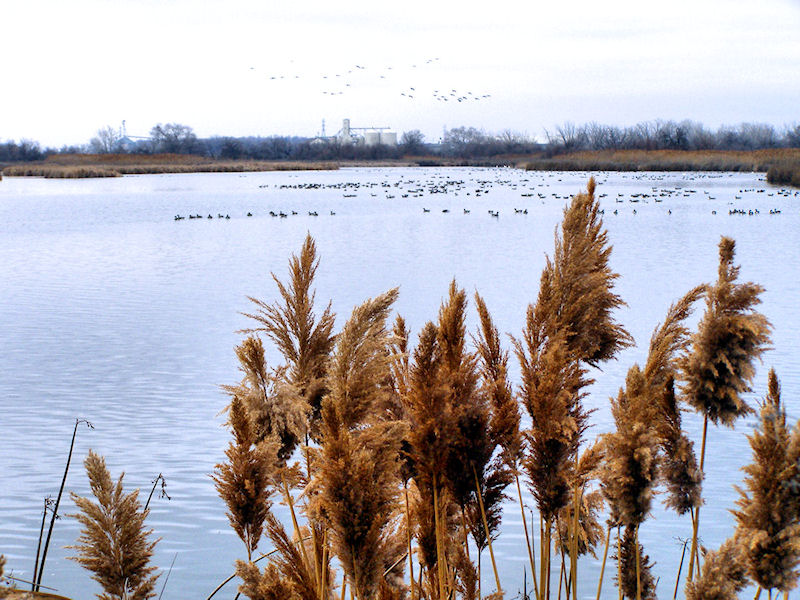
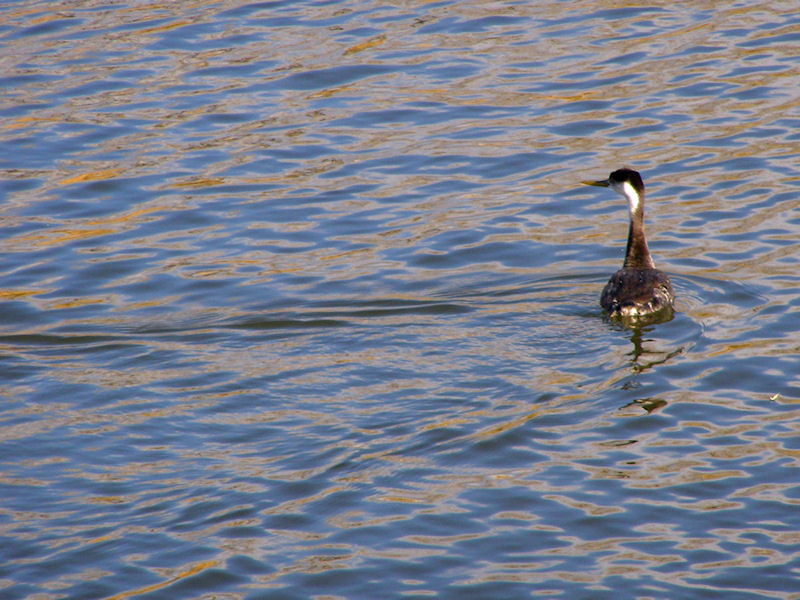
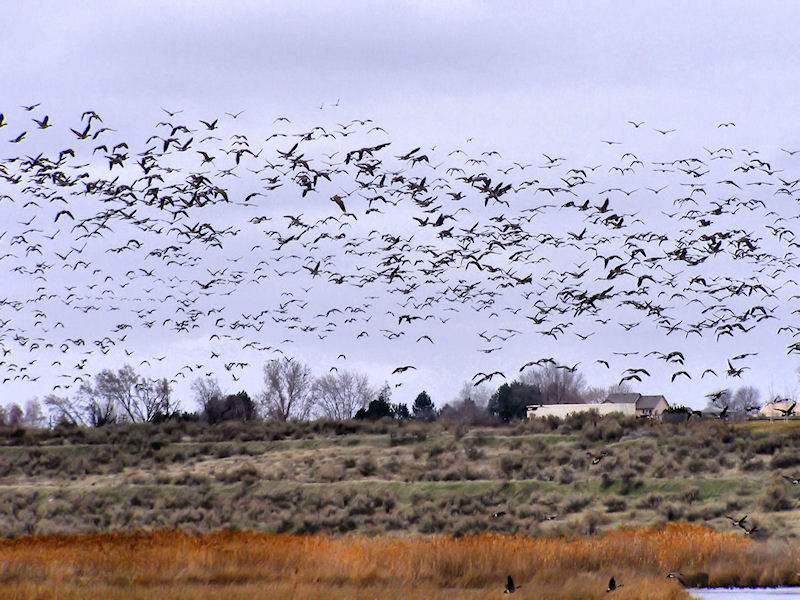
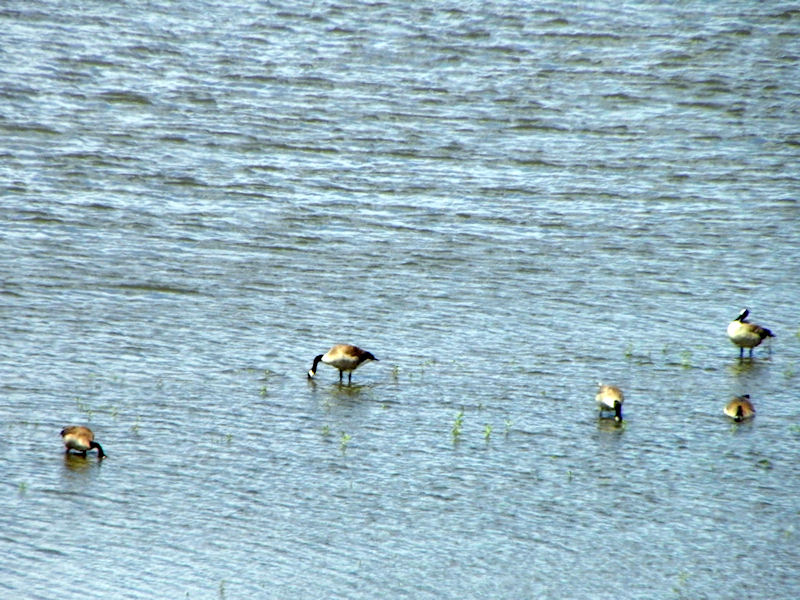
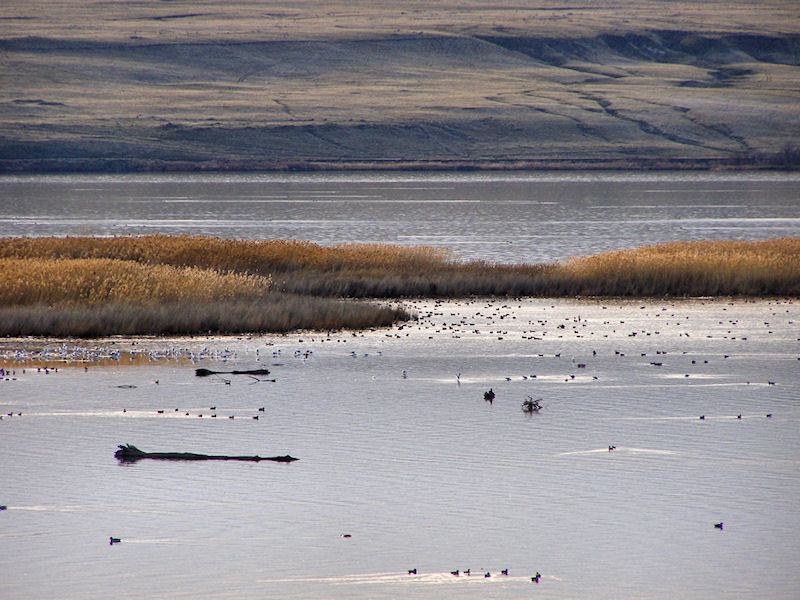
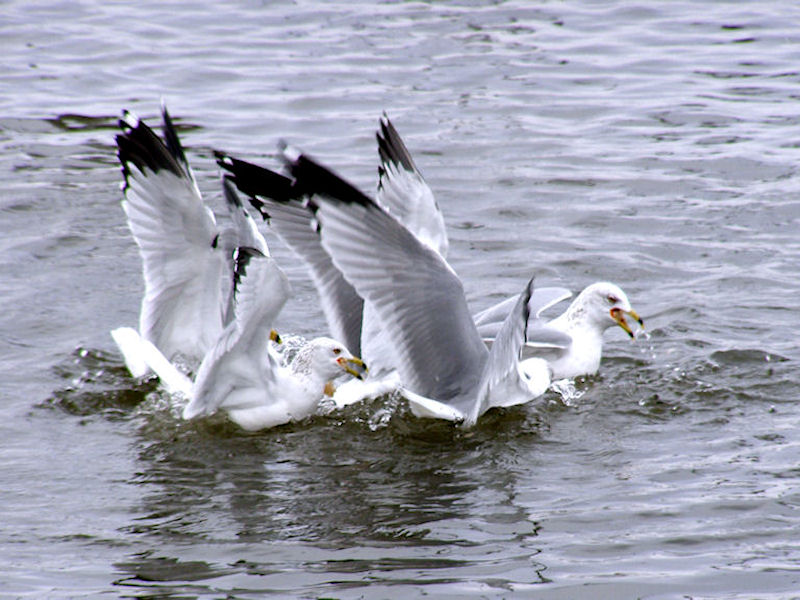
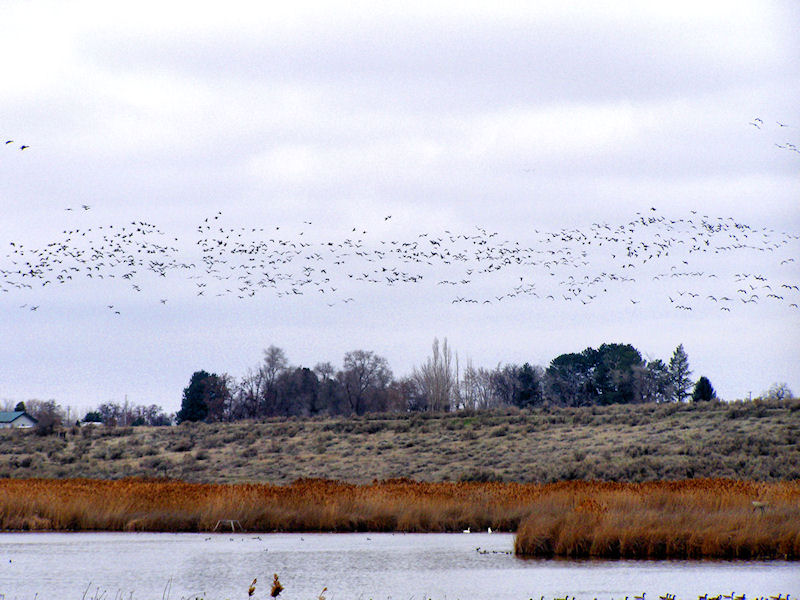
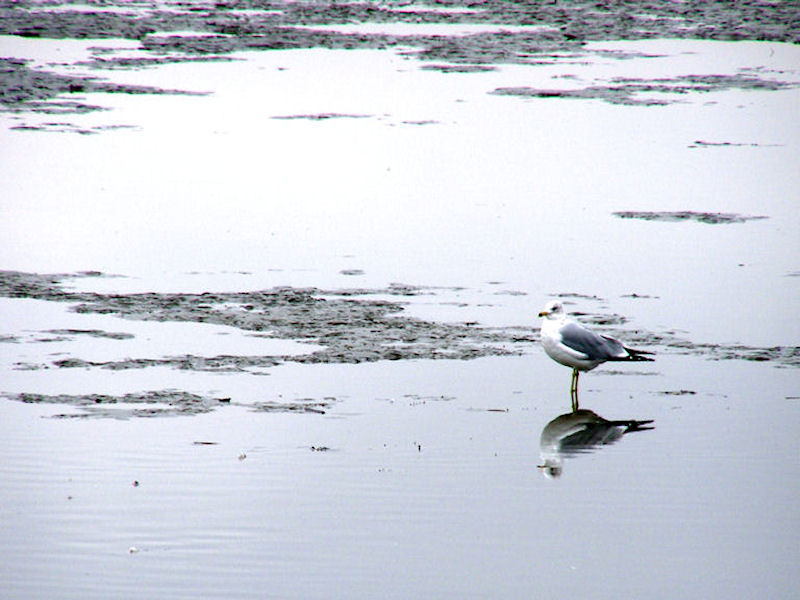
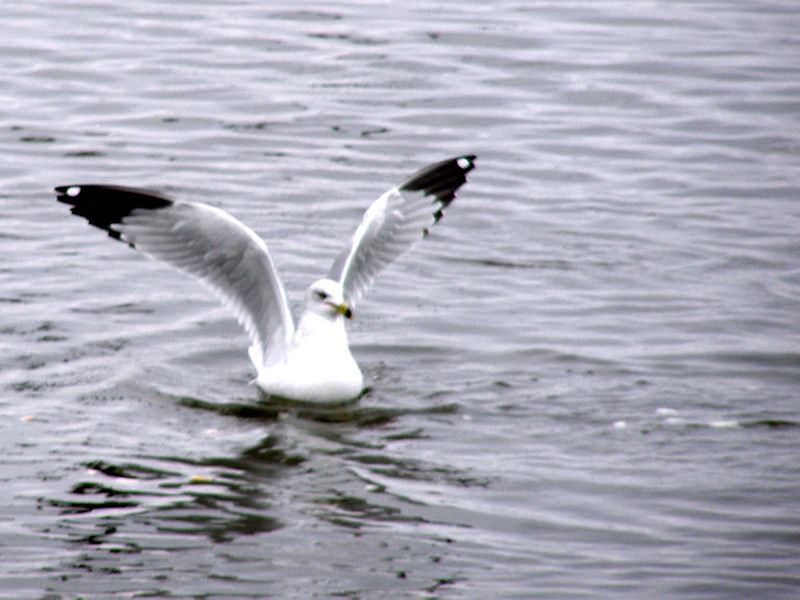
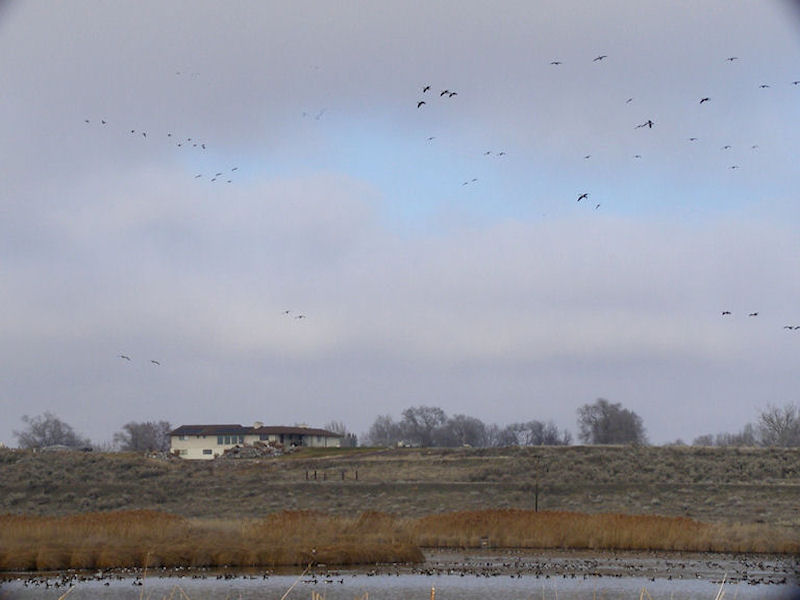
Up to half of Pacific Flyway mallards winter in this portion of the Columbia Basin. The Wallula Delta is the premiere habitat in the region for thousands of migrating shorebirds and wading birds.
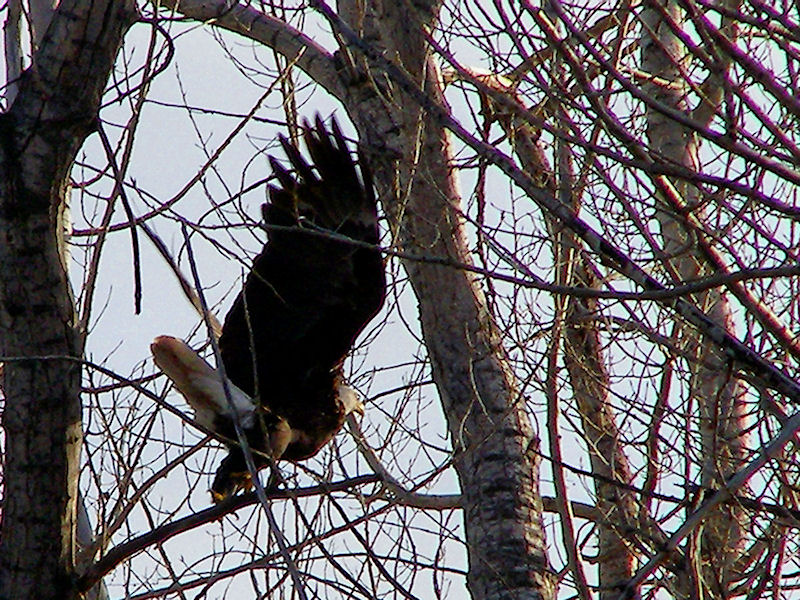
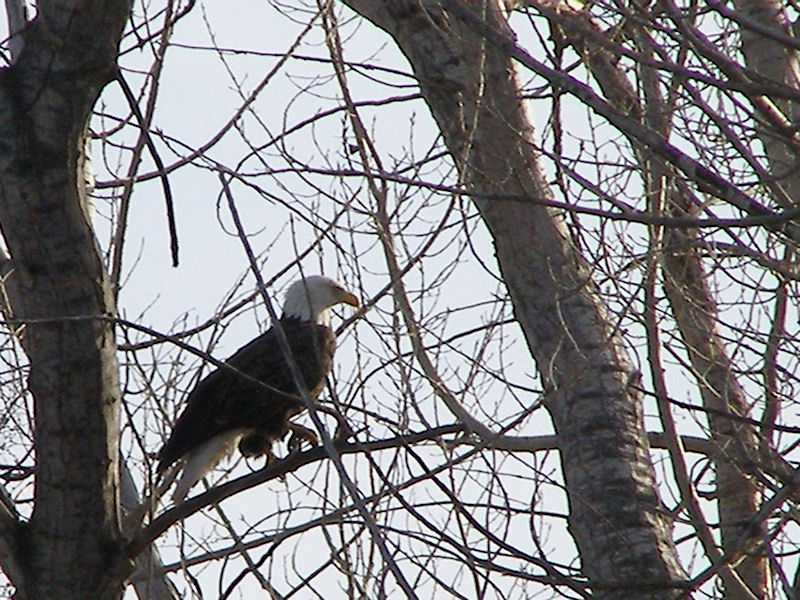
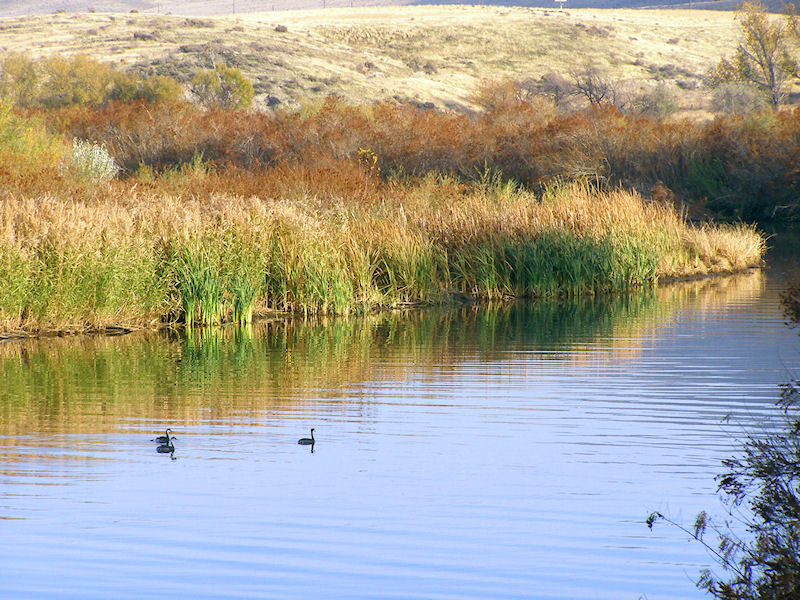
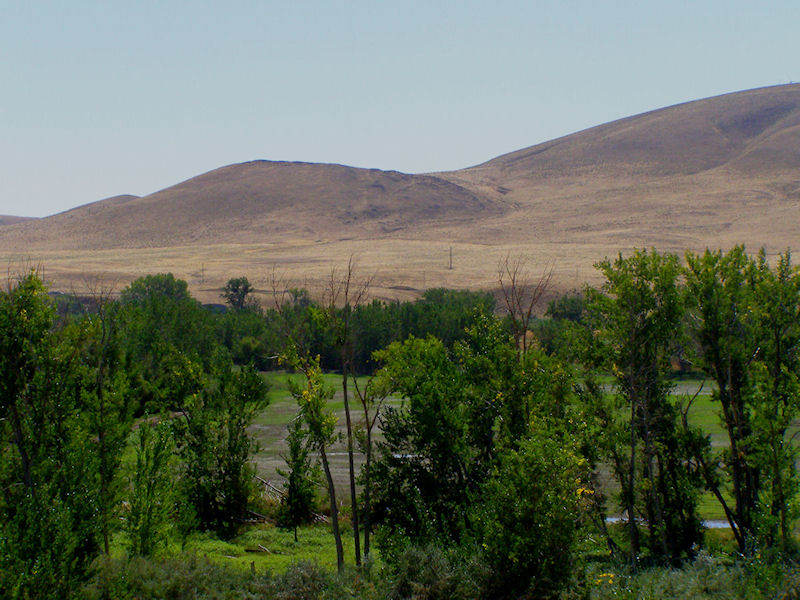
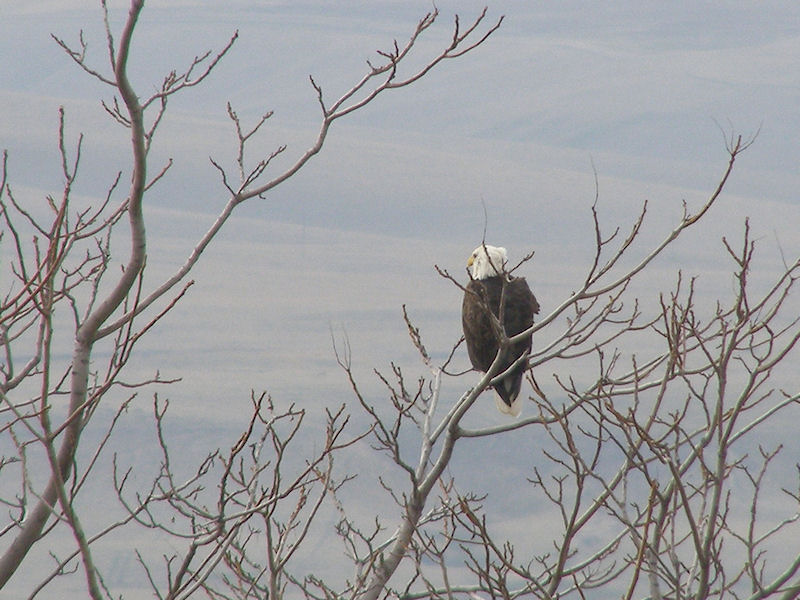
Rare and endangered birds, including bald eagles and peregrine falcons, are found here, as are thousands of colonial nesting water birds using river islands for safe nesting. Encompassing more than 15,000 acres of Columbia Basin desert and river environment in eastern Washington, refuge habitats include rivers, backwater sloughs, shrub-steppe uplands, irrigated farmlands, river islands, and delta mud flats.
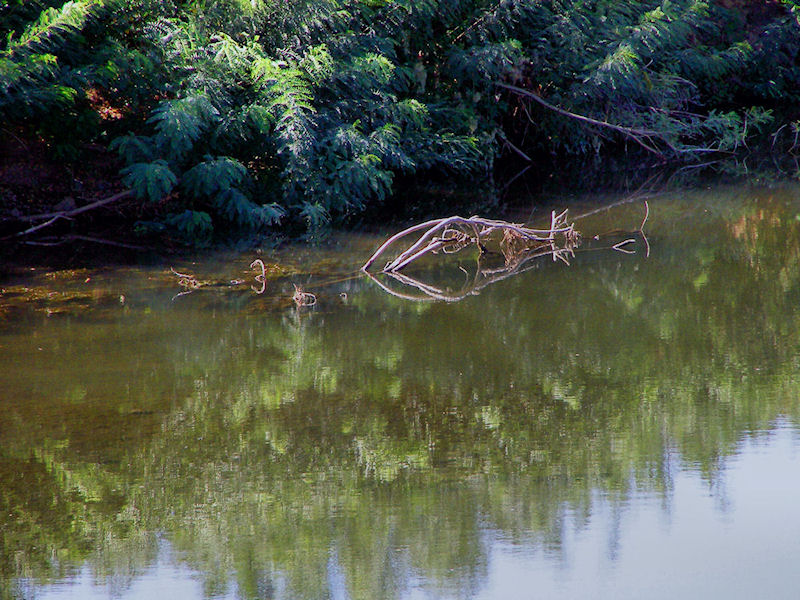
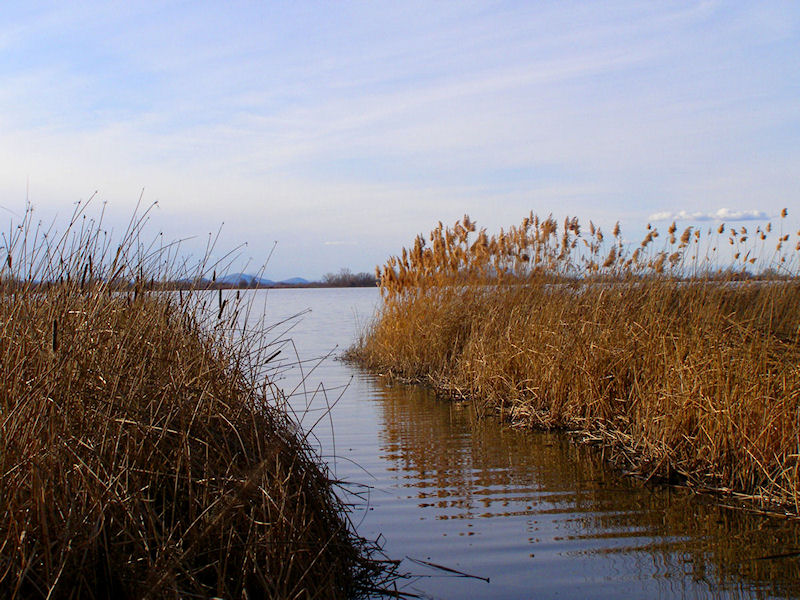
McNary Refuge includes a rich diversity of habitats. To provide more wildlife, refuge staff members use a variety of carefully chosen habitat management techniques to maintain, recover, or enhance habitat. Refuge ponds and backwater sloughs serve as year-round resting, nesting, and feeding areas for many species of wildlife. Seasonally flooded wetlands provide additional resting and feeding areas and are especially important to waterfowl during fall migration.
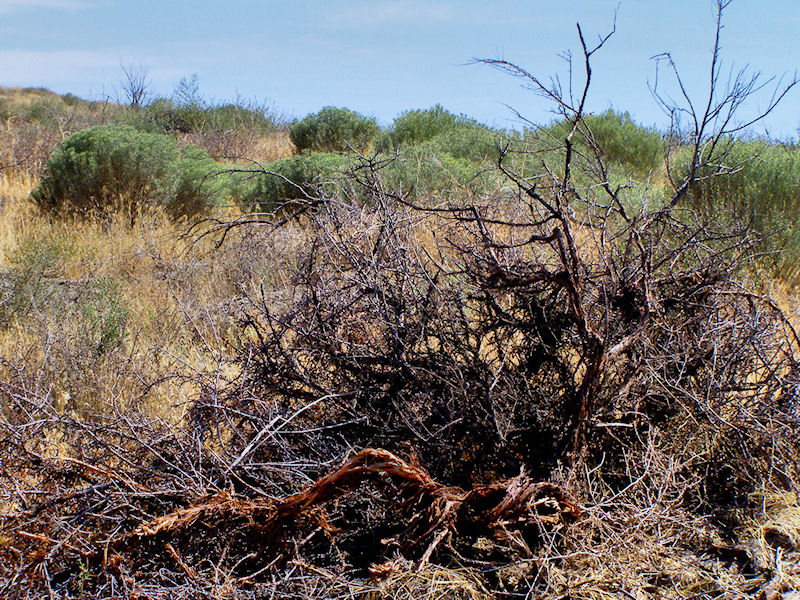
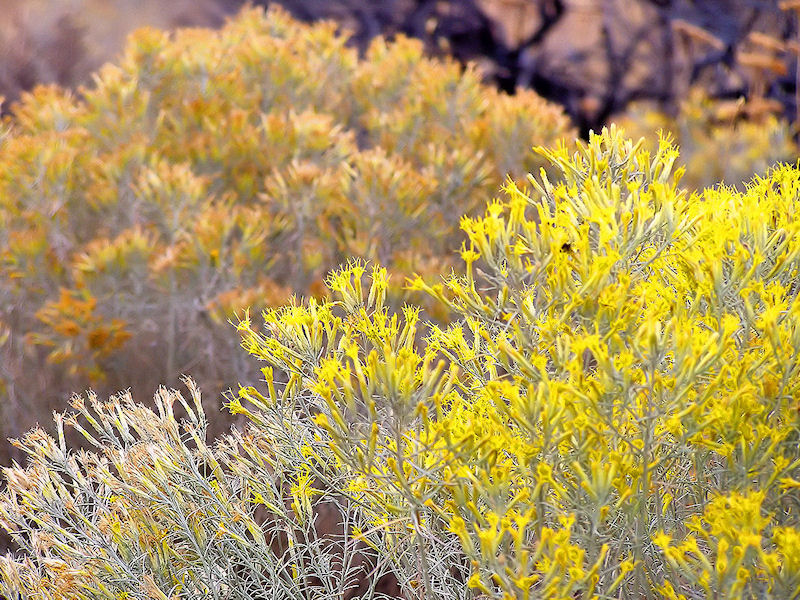
Management of these seasonal wetlands involves the manipulation of water levels to encourage native food supplies and promote the diverse wetland plant growth that provides a variety of food and shelter for wildlife. Some wetlands are burned and disked to remove undesirable plant growth and create open areas. Shoreline burning and mowing also create open beach areas that waterfowl use for courting, feeding, resting, and raising young. Common upland plants include sagebrush, rabbitbrush, and bunchgrasses. Upland areas provide forage for deer and nesting sites for pheasants, ducks, California quail, and burrowing owls.
Refuge managers improve uplands through prescribed burning, removal of exotic weed species, and planting of native grasses. Riparian habitat is the soil and plant life that borders a river or stream. This habitat supplies food, water, nesting sites, and shelter for a wide variety of wildlife. Cottonwoods and willows in riparian areas provide essential nesting habitat for migratory songbirds like yellow warbler and willow flycatchers. Management practices in riparian areas include planting native willows and cottonwoods.
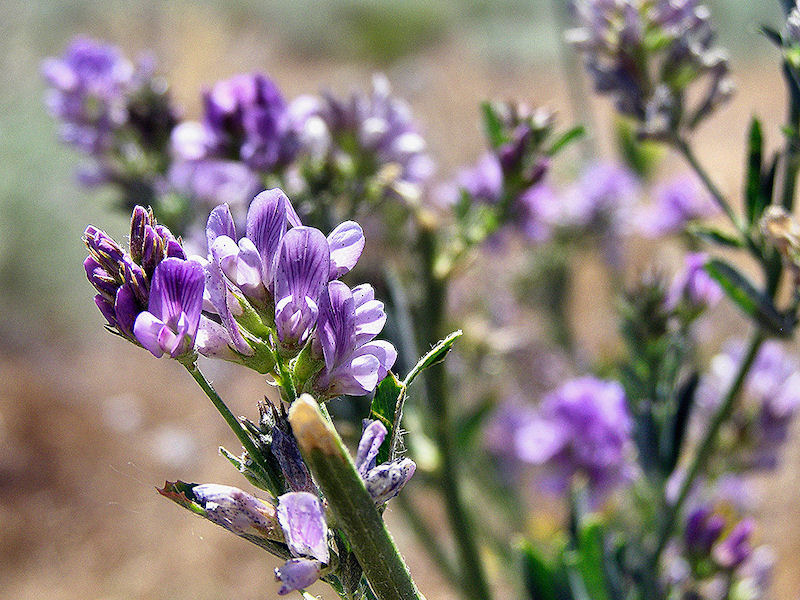
Approximately 700 acres of refuge lands are irrigated croplands which provide food and cover for wildlife. Local farmers grow corn, wheat, alfalfa, and other crops under a cooperative agreement whereby the refuge's share of the crop is left in the field for wildlife. These crops provide an extremely valuable source of high energy food for waterfowl, especially in late winter when other food sources may be exhausted or covered by snow.




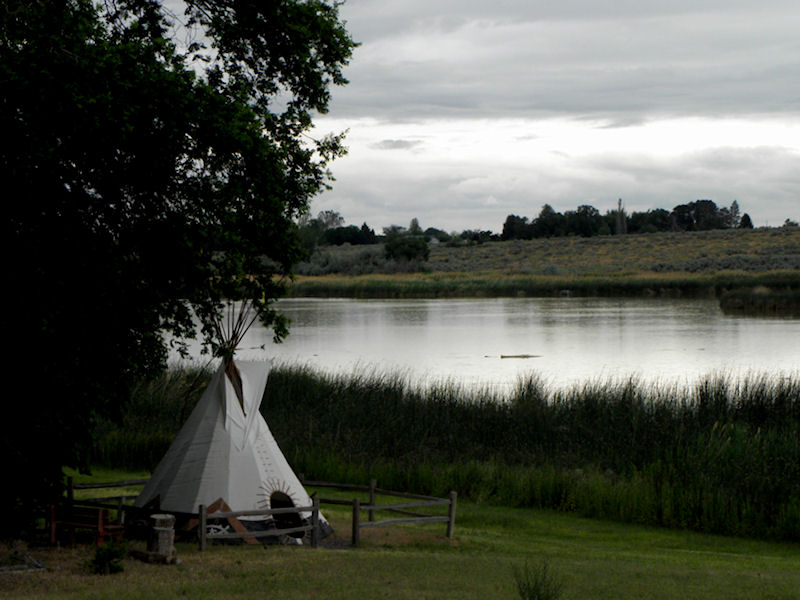
 McNary National Wildlife Refuge spans multiple counties in two states. The variety of wildlife is awesome, but the most noteworthy aspect of McNary is its waterfowl populations, both resident and migratory. The Education/Visitor Center offers lots of information and hospitality, and there are wonderful trails around Burband Slough that provide access to nature and great views of birds. I have found the personnel in the center extremely helpful and enthusiastic in providing information.
 Large diversity of native bird species. Some birding access. Staff is spread very thin. However none of the stated phone numbers to contact this refuge are active or connected as of this date (29 Aug.2008).


 Share Your McNary National Wildlife Refuge Photos (click here)